
We Have a Mockingbird!
Mockingbird - Part 1

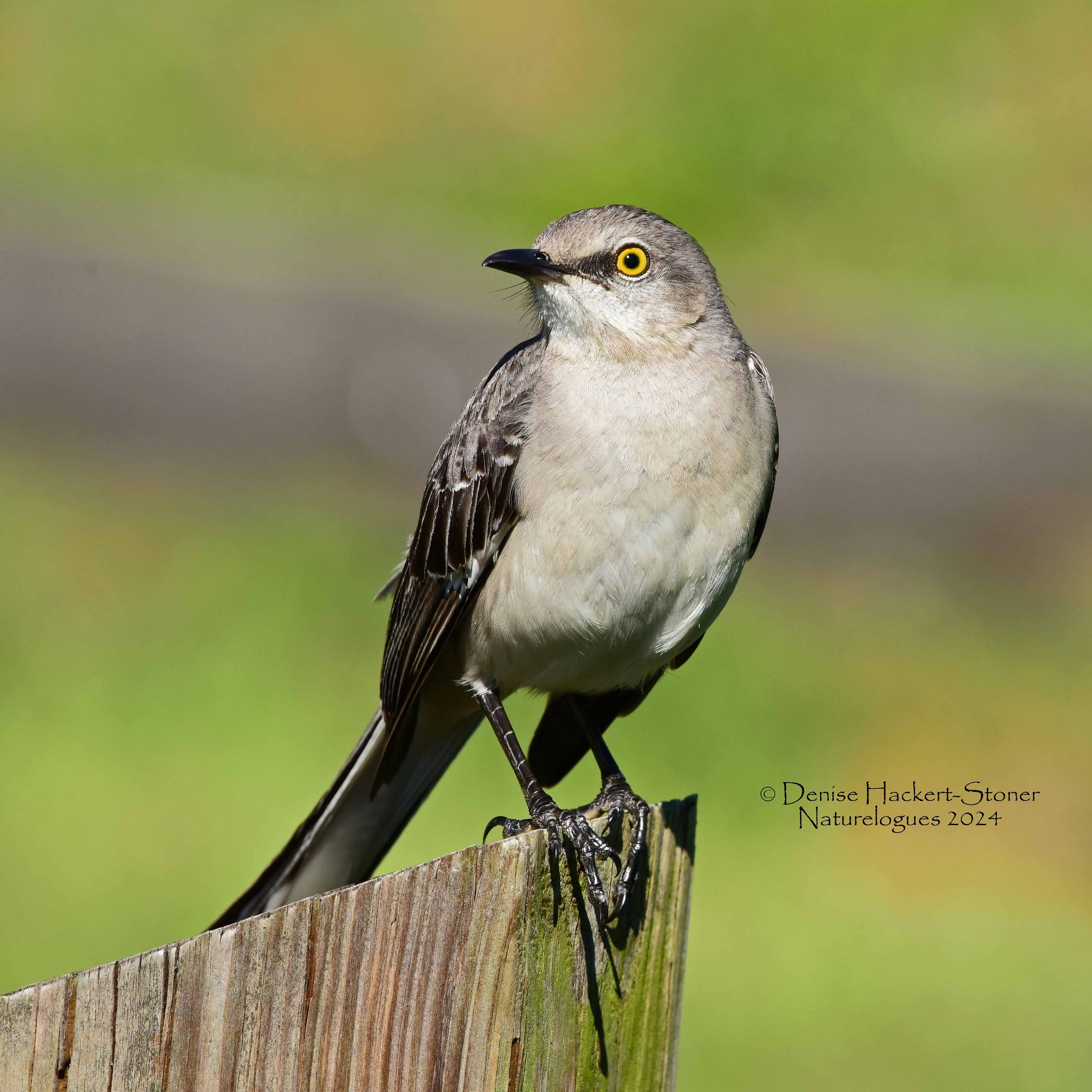
“Mockingbirds don’t do one thing but make music for us to enjoy. They don’t eat up people’s gardens, don’t nest in corncribs, they don’t do one thing but sing their hearts out for us. That’s why it’s a sin to kill a mockingbird.” (Atticus Finch, in the book “To Kill a Mockingbird” by Harper Lee).
After going most of the year without one gracing our property in New York State, I am thrilled to report that…we have a Mockingbird! Specifically, a Northern Mockingbird (Mimus polyglottos). It’s been in our yard every day since October 8, three weeks ago! Often singing, sometimes hanging around in our dogwood (full of bright red berries), and sometimes flying around, aggressively defending its space against other birds. It’s chased two Blue Jays out of the dogwood, chased a Cardinal across the front yard, and even chased another bird away from the feeders in the back. That was particularly surprising because it doesn’t eat at the feeders!
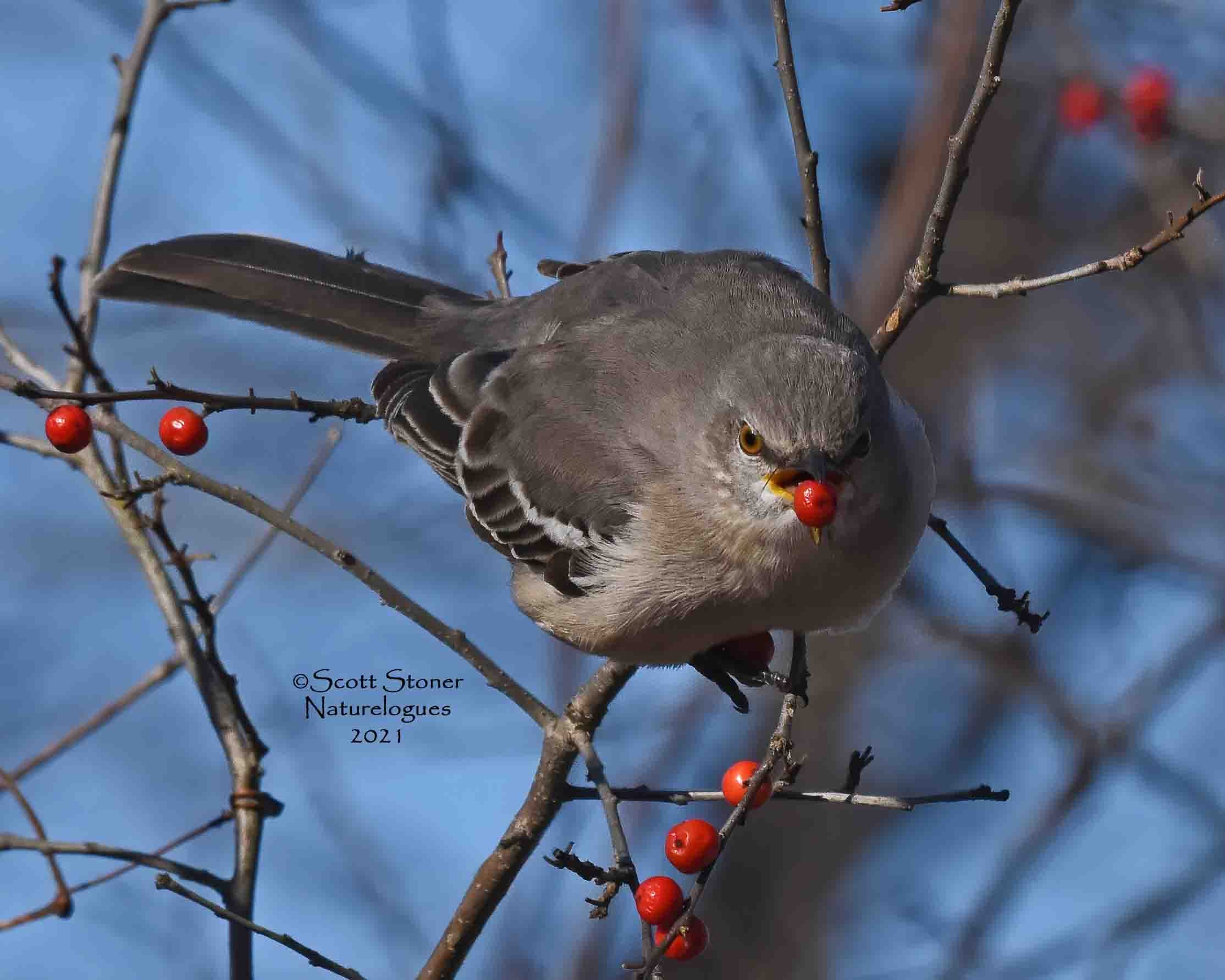
Mockingbirds are mimics, imitating the sounds of other birds. Even its scientific name, Mimus polyglottos reflects that, meaning “many-tongued mimic.” Mockingbirds, along with Catbirds and Thrashers, are classified in the taxonomic family “Mimidae” aka Mimic Thrushes. Why are they called that? They are not thrushes at all. But the term “mimic thrush” is used to describe the entire family, because they all do mimic the sounds of other birds, and their vocalizations can be similar to those of actual thrushes.
Why do Mockingbirds imitate the sounds of other birds? Key advantages are suggested in both defending territory and attracting mates. Mockingbirds can mimic at least 200 other bird species, and by imitating such a wide variety of sounds, can verbally assert that its territory is already crowded. Such a large repertoire can demonstrate a capable and dominant individual, thus a more attractive prospective mate. The extent of its repertoire can indicate longevity and experience, vigor, and a territory with better resources, all attractive to females. It can also benefit their defense, as imitating the alarm calls of other species can help scare away predators.
Whether we are inspired to study them, photograph them, or simply to enjoy their presence in our yards or favorite places in nature, we can all be happy that there are Mockingbirds, and that they are protected!
Stay tuned for Part 2, which will address the question, “Why do mockingbirds sing at night”?
Sources and Resources: All About Birds from the Cornell Lab of Ornithology https://www.allaboutbirds.org/news/
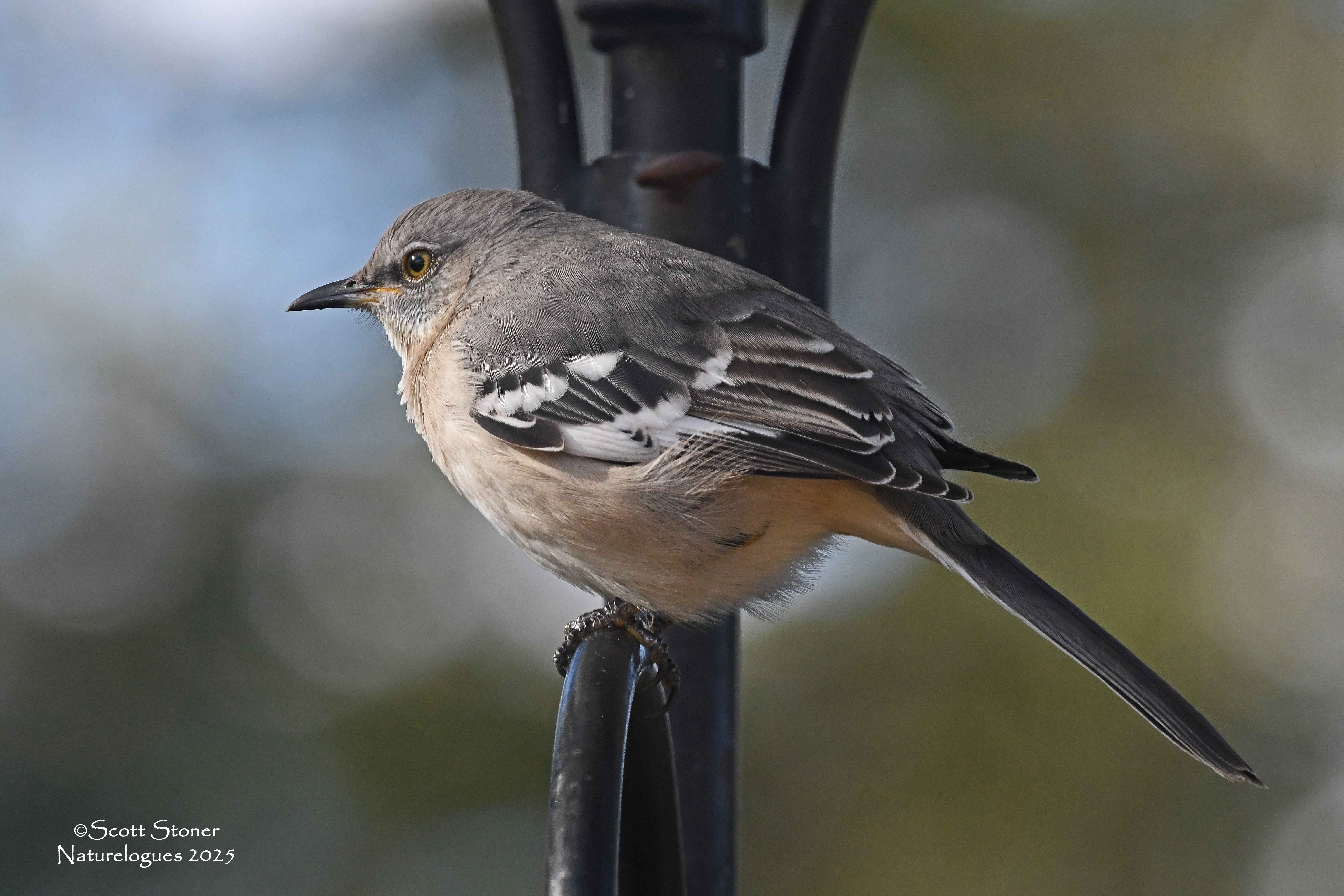
We had a mockingbird that would sing with such exuberance that he’d float upward off the wire, then settle back, singing all the while!! Right outside our bedroom window in the night!!
Not only do mockingbirds mimic other birds, they also mimic other sounds, like car alarms (!) and frogs. I find them so entertaining, but I rarely see them where we currently live.